Select Category


AI Summary
3 key insights · 1 expert tipPlan a west-facing home with Vastu by strategically placing key zones like the entrance, kitchen, and bedrooms for enhanced balance and peace.
KEY INSIGHTS
- The ideal kitchen location is southeast or northwest, avoiding the northeast corner.
- Master bedrooms function best in the southwest zone for stability and restful sleep.
- Living rooms are recommended for the north, east, or northeast for positive energy flow.
 DESIGNCAFE EXPERT TIP
By our design team
DESIGNCAFE EXPERT TIP
By our design team
Focus on optimising the entrance, kitchen, and master bedroom; balance the rest with light, colour, and decluttering for a harmonious home.
Smart west-facing house Vastu-friendly ideas to plan your interiors for a bright, peaceful space. Read more here.
A west-facing home can feel bright, energetic, and warm, especially in the evenings. With the right Vastu placements, you can plan your spaces so the house feels balanced and welcoming from the moment you walk in. In this blog, we will share simple pointers for your west-facing house Vastu plan, from the entrance and kitchen to bedrooms, pooja zones, and practical remedies, so your interiors look good and feel positive.

West-Facing House Vastu Plan Quick Guidelines
- Keep the main door larger and brighter than the other doors, and follow basic west-facing entrance Vastu rules, such as keeping access clutter-free and ensuring good lighting.
- Place the living room in the north, east, or north-east to create an open, inviting space full of positive energy.
- Ideally, keep the master bedroom in the south-west zone for better stability, comfort, and restful sleep.
- Plan the kitchen in the southeast or northwest, and avoid placing it in the northeast corner of a west-facing home.
- Position the pooja room in the north east or a calm corner of the east or west wall, away from toilets and under staircases.
- If you have a staircase inside, try to keep it on the south or west side of the house and ensure it always goes up in a clockwise direction.
- Keep toilets and bathrooms away from the north-east and centre of the home to avoid energy imbalances.
- Use soft, balanced colours in key rooms and keep the entrance, living, and pooja areas clean, well-lit, and well-ventilated.
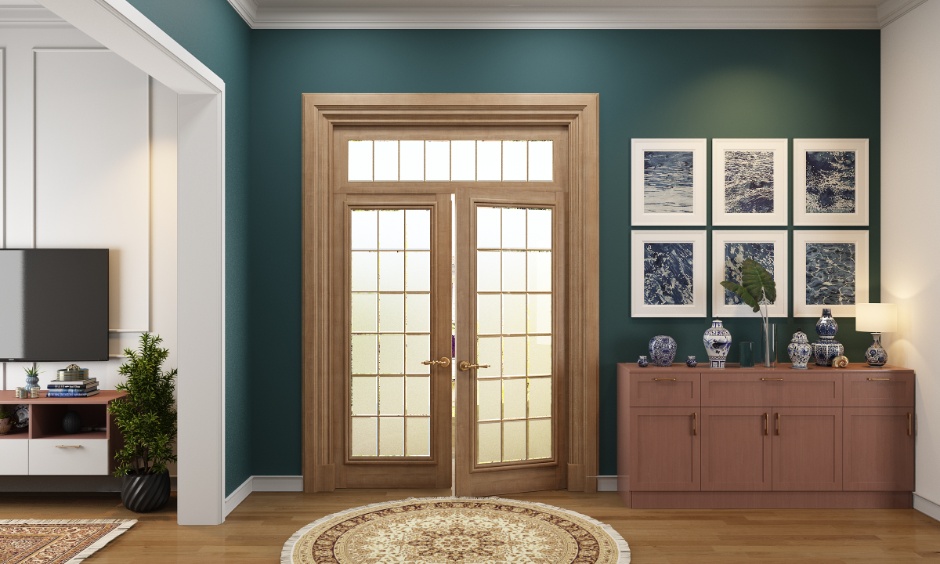
Is a West-Facing House Good as per Vastu?
Yes, a west-facing home can be very positive as per Vastu when planned correctly. It gets warm evening light and can feel very welcoming for family and guests. With the right entrance position, room layout, and colours, you can enjoy real west-facing house Vastu benefits such as better comfort, balance, and a calm flow of energy through your home.
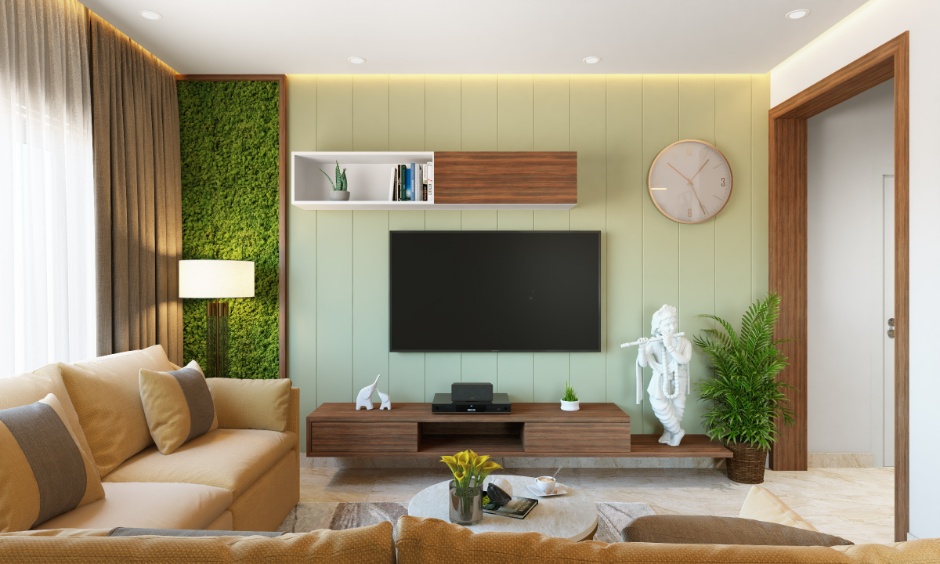
Ideal West-Facing Entrance Vastu
In a west-facing home, the main door usually works best in the north-west part of the west wall, rather than too close to the south-west corner. This supports better movement of energy and keeps the house feeling bright and welcoming. Keep the entrance clutter-free, well-lit, and slightly raised if possible. Add a neat nameplate, warm lighting, and a small planter or two. Avoid placing dustbins, broken pots, or shoes right in front of the door, so the first impression of your home always feels positive and inviting.
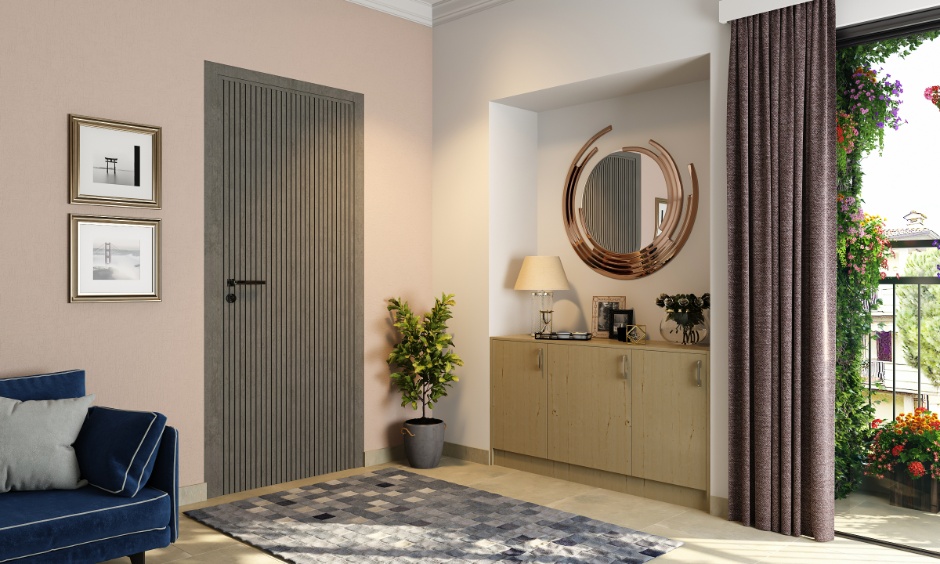
Kitchen Vastu for West-Facing House
In a west-facing home, the ideal kitchen zones are the south-east (first choice) or north-west (second choice). Try to place the hob so the person cooking faces east or north, which is considered more beneficial according to west-facing kitchen vastu. Avoid planning the kitchen in the north-east corner of the house, as this area is best kept light and calm. Use warm tones, good ventilation, and proper task lighting so your kitchen feels bright, safe, and inviting every day.
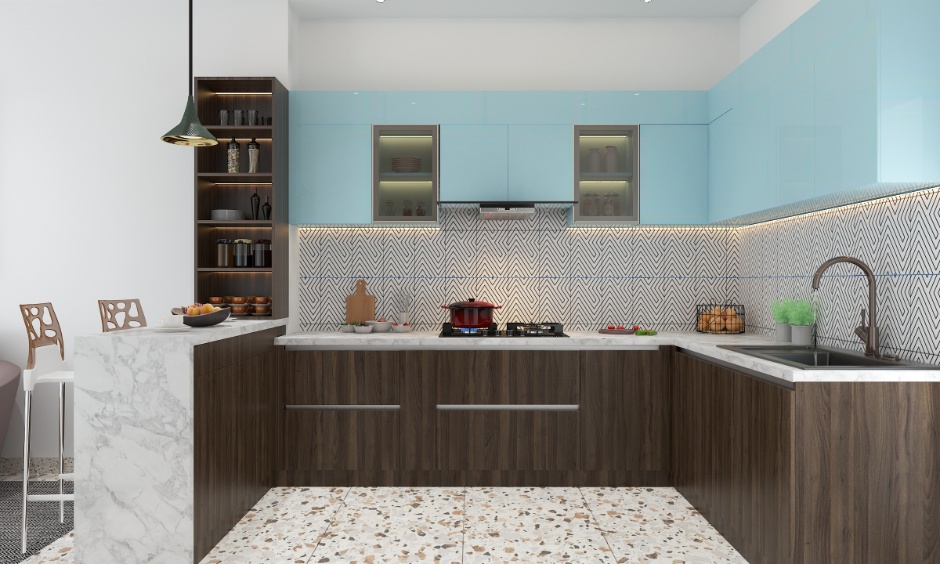
Modern 2BHK Interior Design Ideas


Master Bedroom Vastu for West-Facing House
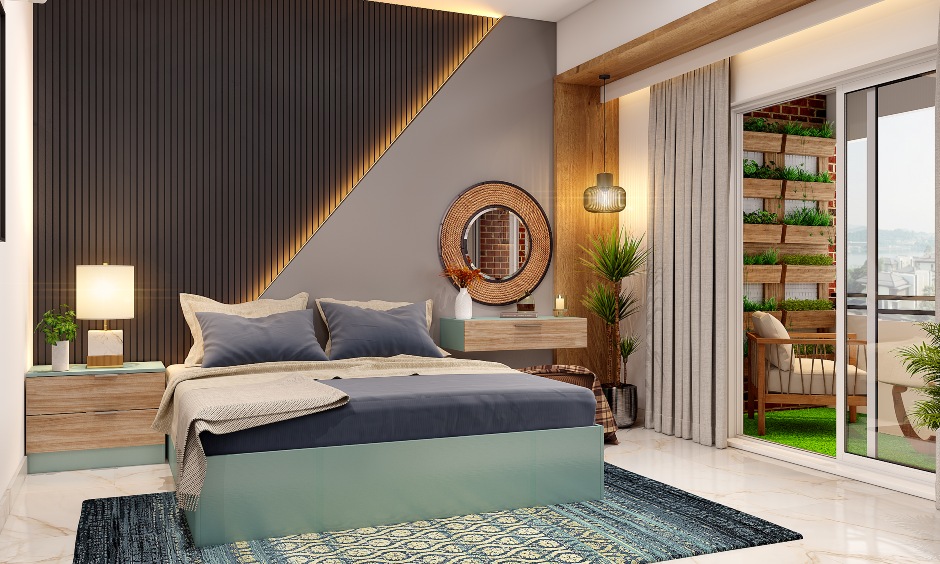
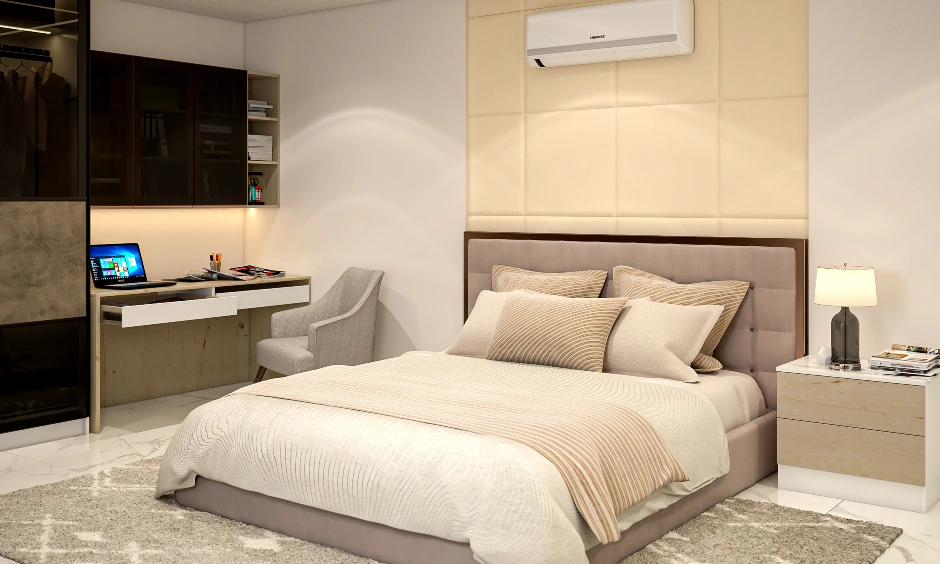
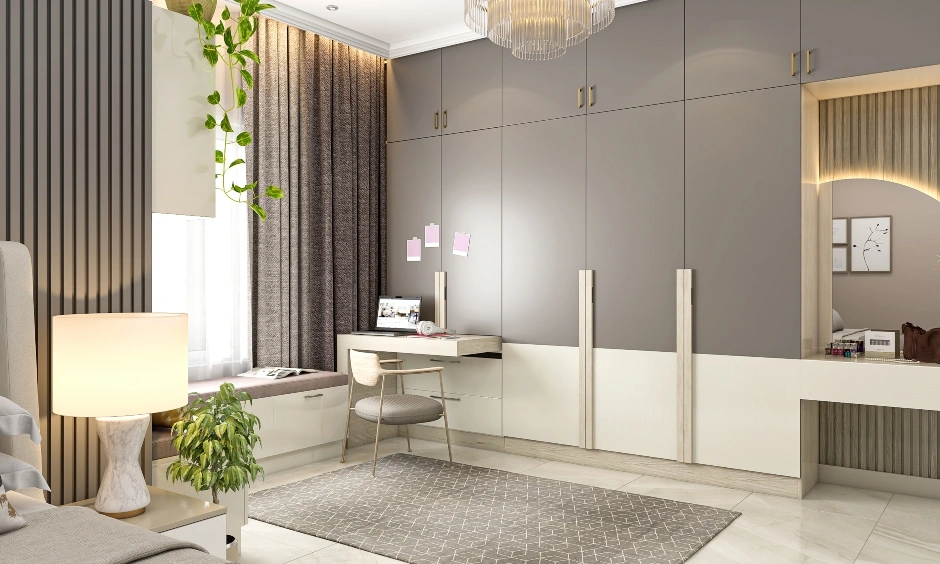
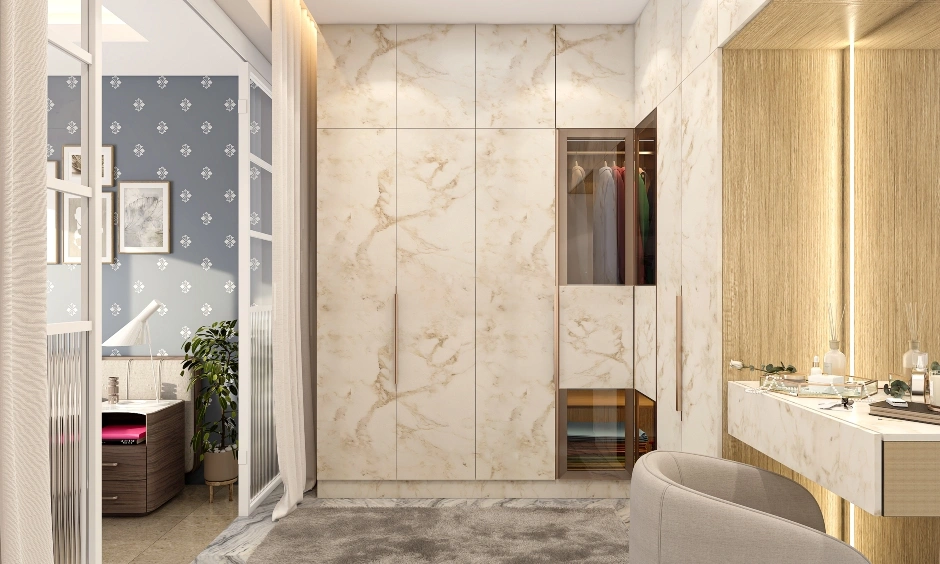
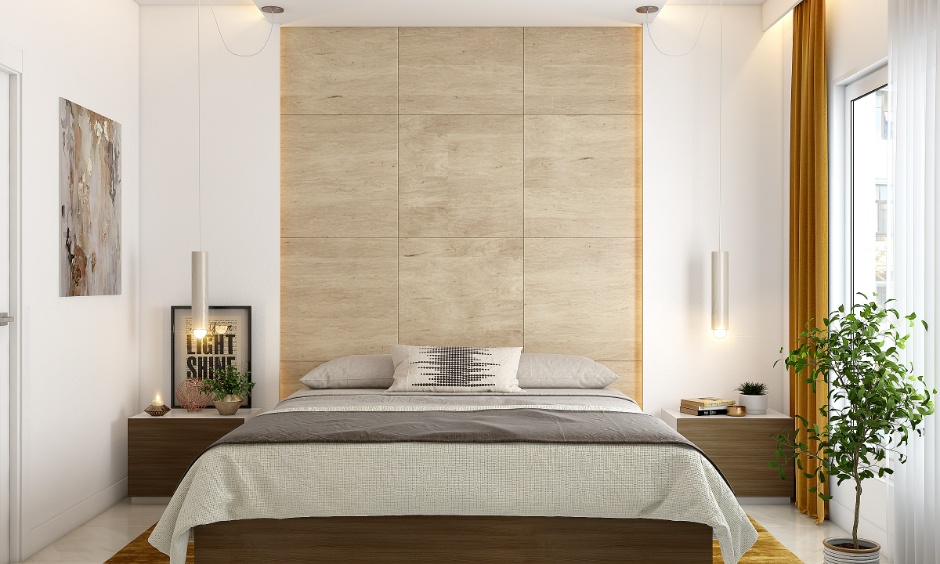
In a west-facing home, the master bedroom works best in the south-west zone. This brings more stability, better sleep, and a grounded feel to the space as per the master bedroom vastu for a west-facing house. If you live in an apartment with limited room options, try using the south or west room as the master bedroom. Keep the bed away from the door, avoid beams directly above it, and use soft, calming colours to make the room feel restful and cosy.
West-Facing House Vastu Plan With Pooja Room
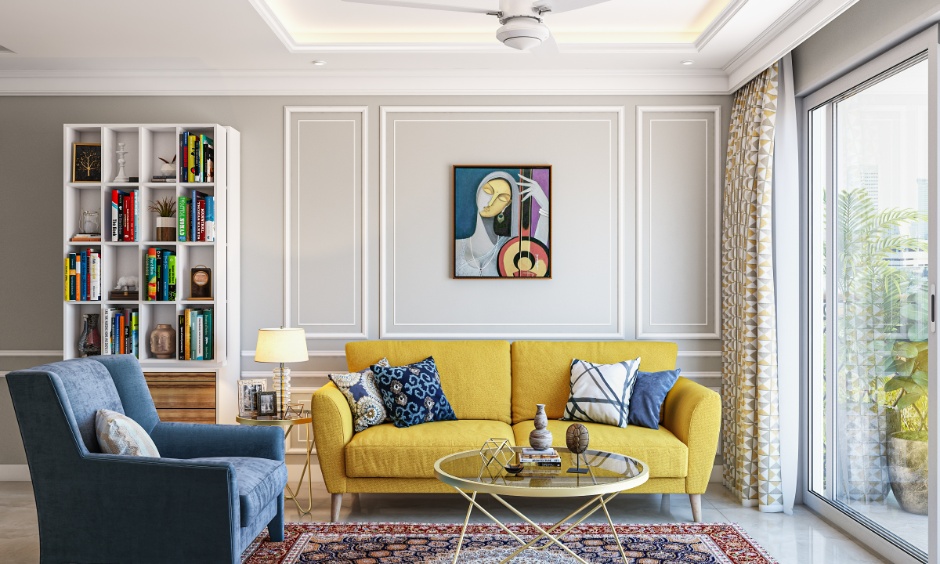
In a west-facing home, the living room works well on the north, northeast, or east side. These areas get softer light and feel open and cheerful. Try to keep this room clutter-free, comfy, and well-lit so it naturally becomes your family’s favourite spot.
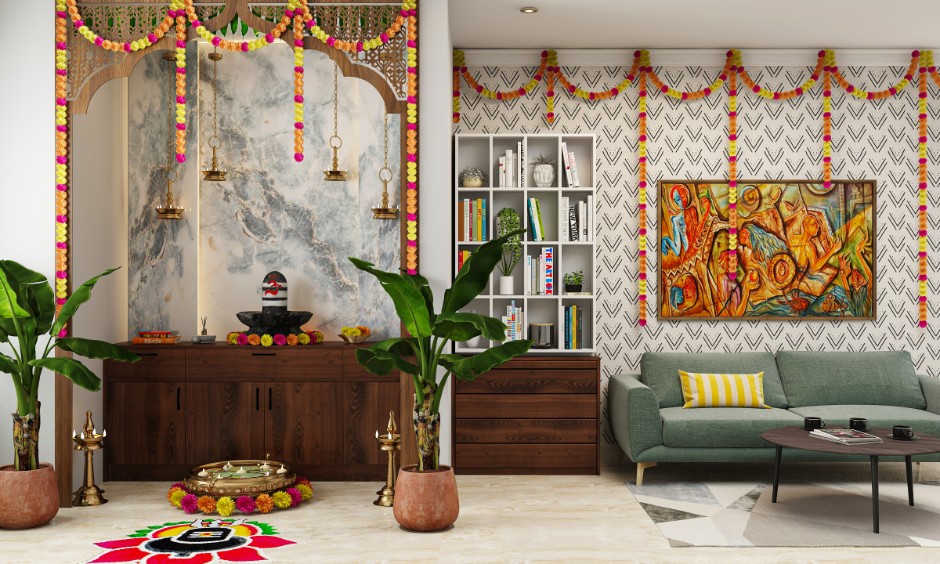
For the pooja room, choose a calm corner in the northeast if possible, or along an east or west wall. As you plan your west-facing house Vastu plan with pooja room, avoid placing the mandir next to a toilet, under a staircase, or directly behind the main door. Use soft colours, neat storage for diya and incense, and warm, gentle lighting so the space feels peaceful every day.
Staircase Vastu for West-Facing House
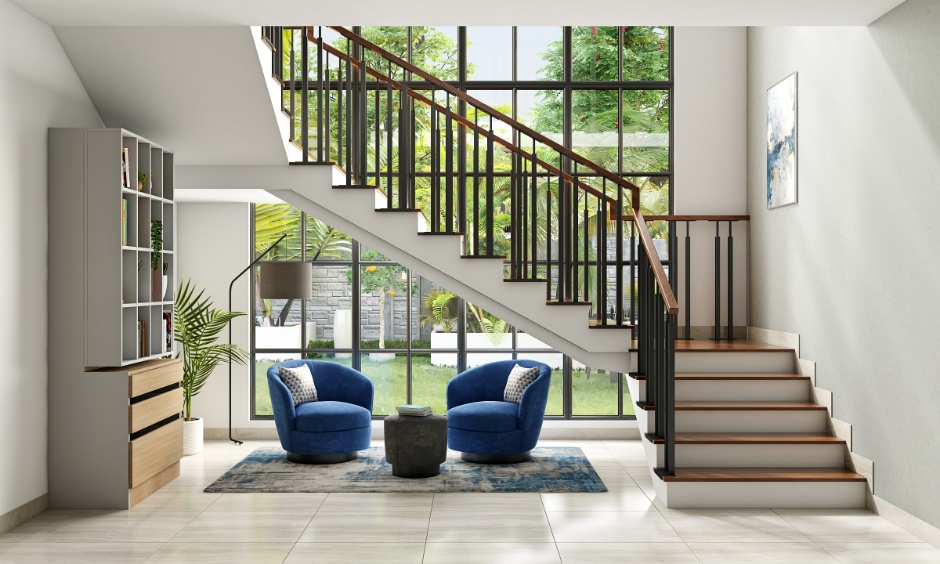
If you have an internal staircase in a west-facing home, try to keep it in the south, southwest, or west part of the house. As a simple thumb rule, let the stairs rise in a clockwise direction, and avoid placing them in the centre or the northeast.
For bathrooms and toilets, the ideal zones are west, north west, or south. Try not to place them in the northeast or right in the middle of the home. Keep these areas dry, well-ventilated, and neatly closed with good-quality doors so they do not disturb the calm feel of your main rooms.

Vastu Remedies for West-Facing House Defects
In most homes, simple Vastu remedies for west-facing house layouts are enough to calm the energy. You do not always need big structural changes.
- Start with the entrance. Keep it clean, bright, and welcoming with warm lights and a couple of healthy plants.
- Use soft wall colours like off-white, beige, or light pastels in the living and bedroom areas to make the space feel lighter.
- Create a neat pooja corner in the northeast or along an east wall, even if you do not have a separate pooja room.
- Keep bathrooms dry, well ventilated, and properly closed, especially if they share walls with key rooms.
- Reduce clutter in passageways, around doors, and in the centre of the home so light and air can move freely and the house feels calmer.
How West-Facing Vastu Impacts Interior Design Planning?
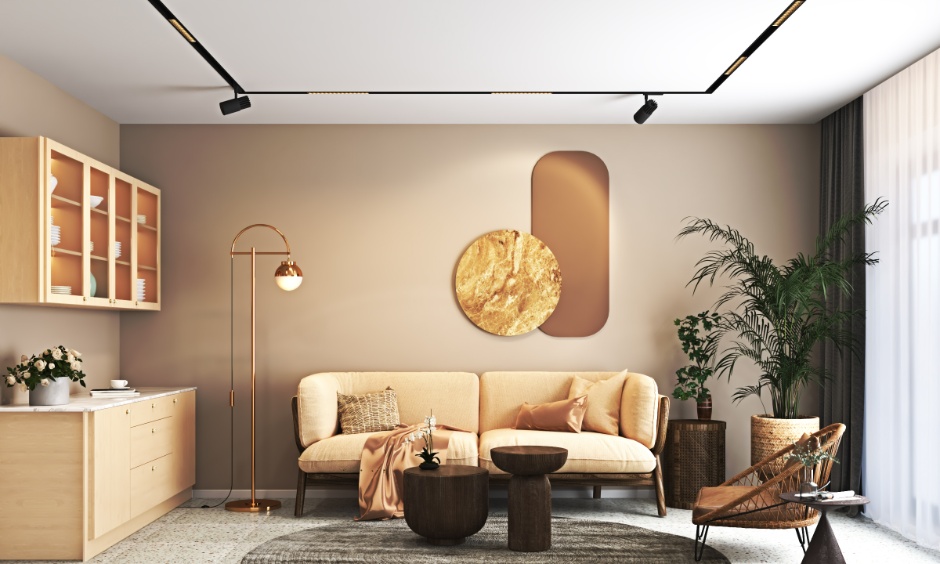
Vastu can be a simple guide when you plan your interiors, not just a list of rules. In a west-facing home, you can use the softer north and east sides for family spaces like the living or dining area. The south west works well for heavier elements like the master bed, wardrobes, or bulk storage, so the house feels stable and grounded.
Colour also plays a big role. When you choose your west-facing house colour as per Vastu, lighter neutrals and pastels near the entrance and living room help balance the stronger evening light. Deeper, cosy shades suit bedrooms and private corners. With this in mind, your home looks beautiful and also feels comfortable to live in, day after day.
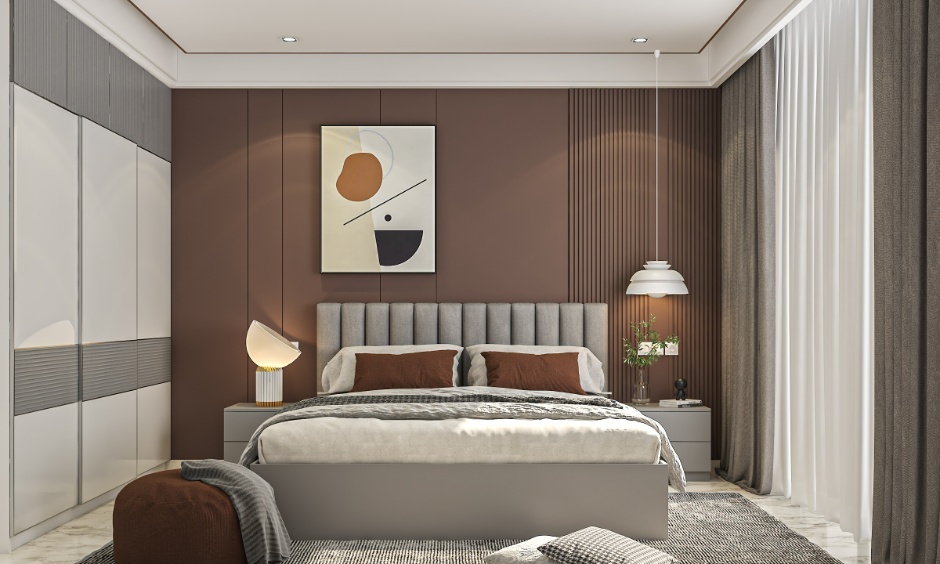
With a simple west-facing house Vastu plan, you can align the entrance, kitchen, bedrooms, and pooja corner so the home feels calmer and more settled every day. At DesignCafe, we love blending Vastu with smart storage, clean layouts, and finishes that suit your family’s routine, not just the floor plan. If you are planning interiors of a west-facing home and want expert support, Request Your Custom Design Proposal and let us help you shape a space that feels balanced and beautiful.
FAQs
1. Is a west-facing house good or bad as per Vastu?
A west-facing house is not bad. If the entrance, kitchen, bedrooms, and pooja area are planned well, the home can feel warm, balanced, and welcoming.
2. What are common Vastu mistakes in west-facing homes?
Common issues include the main door being too close to the south-west, a kitchen in the north-east, toilets near the centre of the home, and very cluttered entrances or passages.
3. Where should the main entrance be in a west-facing house?
Ideally, place the main door towards the north-west side of the west wall. Keep this area bright, open, and free from dustbins, broken items, and heavy clutter.
4. How can I correct Vastu defects in a west-facing house?
Start with small changes. Improve natural light and ventilation, keep key areas clean, use soothing colours, and create a calm pooja corner away from toilets and noisy zones.
5. Which colours are recommended for west-facing homes as per Vastu?
Soft neutrals such as off-white, beige, cream, and gentle pastels work well in living areas. You can use slightly deeper, cosy shades in bedrooms to create a calm, grounded feel.
6. Which direction is ideal for the kitchen in a west-facing home?
Southeast is usually considered best for the kitchen, followed by north-west. Try to avoid the north-east corner, which is better kept light and open.
7. What is the best bedroom placement in a west-facing house?
The master bedroom works best in the south-west part of the home. Other bedrooms can be placed in the south, west, or east, depending on your overall west-facing house vastu plan and layout.